ENGLAND
Heritage Open Days
Established in 1994, it is England's largest community heritage festival, grown from 701 events at its launch to over 5,000 today.
Compare the festivals dreamersopen
HERITAGE FESTIVALS, EXPLAINED
Free entry to places you normally walk past.
EVERY SEPTEMBER free to explore
50 Countries taking part in European Heritage Days
Each September, festivals across Britain invite heritage organisations, private owners and local authorities to open up historic sites, landmarks and hidden gems for free, several of them usually closed. They are part of European Heritage Days, an idea the Council of Europe launched in 1985.
THE SHORT ANSWER
Each nation runs its own festival.
All share European Heritage Days roots.
ENGLAND
Established in 1994, it is England's largest community heritage festival, grown from 701 events at its launch to over 5,000 today.
Compare the festivalsSCOTLAND
Scotland's largest free festival began in 1990 with 44 events in Glasgow and Ayr and now reaches all 32 council areas.
See the numbersWALES
Organised by Cadw, it sees more than 200 sites offer free entry, events or tours, several of them usually closed to the public.
Plan a visitCOMPARE THE FESTIVALS
Pick a festival to see when it began and who runs it. The bar shows roughly how many events or sites it offers, from the organisers' own figures.
Figures from the Heritage Open Days, Doors Open Days and Cadw websites. Programmes change each year, so check the official listings.
FOUR TIPS FOR THE DAY
Events are run by local volunteers and owners, so arrangements vary. These points come from the festivals' own guidance.
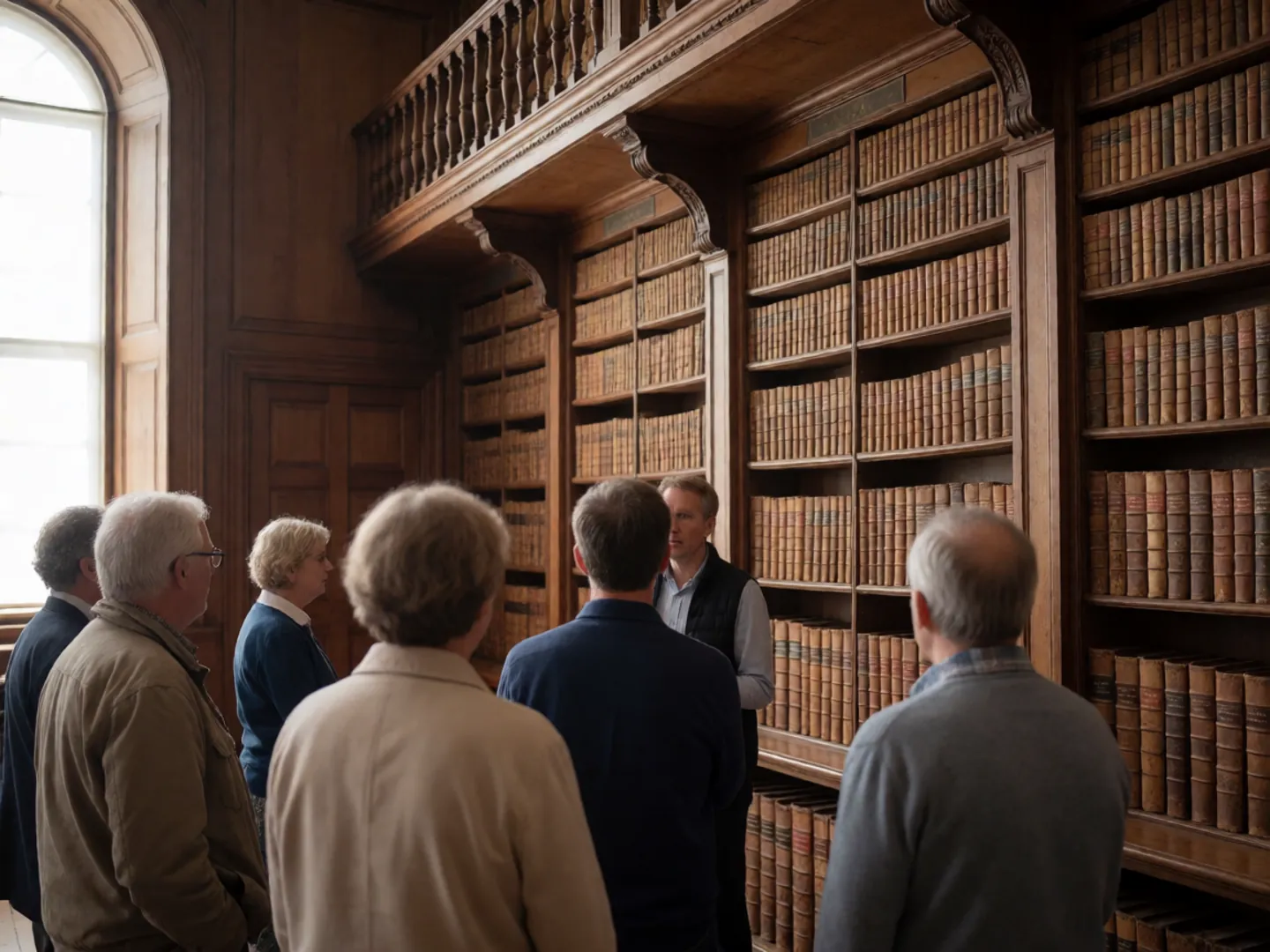
Heritage Open Days events are listed as no booking, book on the day, pre-booking preferred or required.
Some hosts release tickets in phases and keep places back for the day.
Organisers say no-shows have grown for free events; letting them know frees a place.
Heritage Open Days is based on free access, so no event can be purely about fundraising.
TWO NUMBERS WORTH KNOWING
One figure on the wider movement,
one on how far England's festival has grown.
50
Countries taking part in European Heritage Days
The Council of Europe set up European Heritage Days in 1985 to raise appreciation of Europe's cultural heritage. The European Union joined it as a joint action in 1999.
EUROPE · HERITAGE OPEN DAYS
5,000+
Events in England's festival today
Up from 701 events at its launch in 1994. A recent theme on how we build the world inspired over 2,500 events on its own.
ENGLAND · HERITAGE OPEN DAYS
Northern Ireland takes part too, through European Heritage Open Days, according to the Doors Open Days website.
WHY IT MATTERS
Heritage Open Days describes itself as nationally supported but locally led, working with organisations and individuals across England to celebrate a diverse heritage. Its annual themes nudge hosts to share new places or new stories of familiar ones.
In Scotland, Doors Open Days runs alongside Scottish Archaeology Month, coordinated by Archaeology Scotland. Together they form Scotland's contribution to European Heritage Days, which its organisers call the most widely celebrated participatory cultural event in Europe.
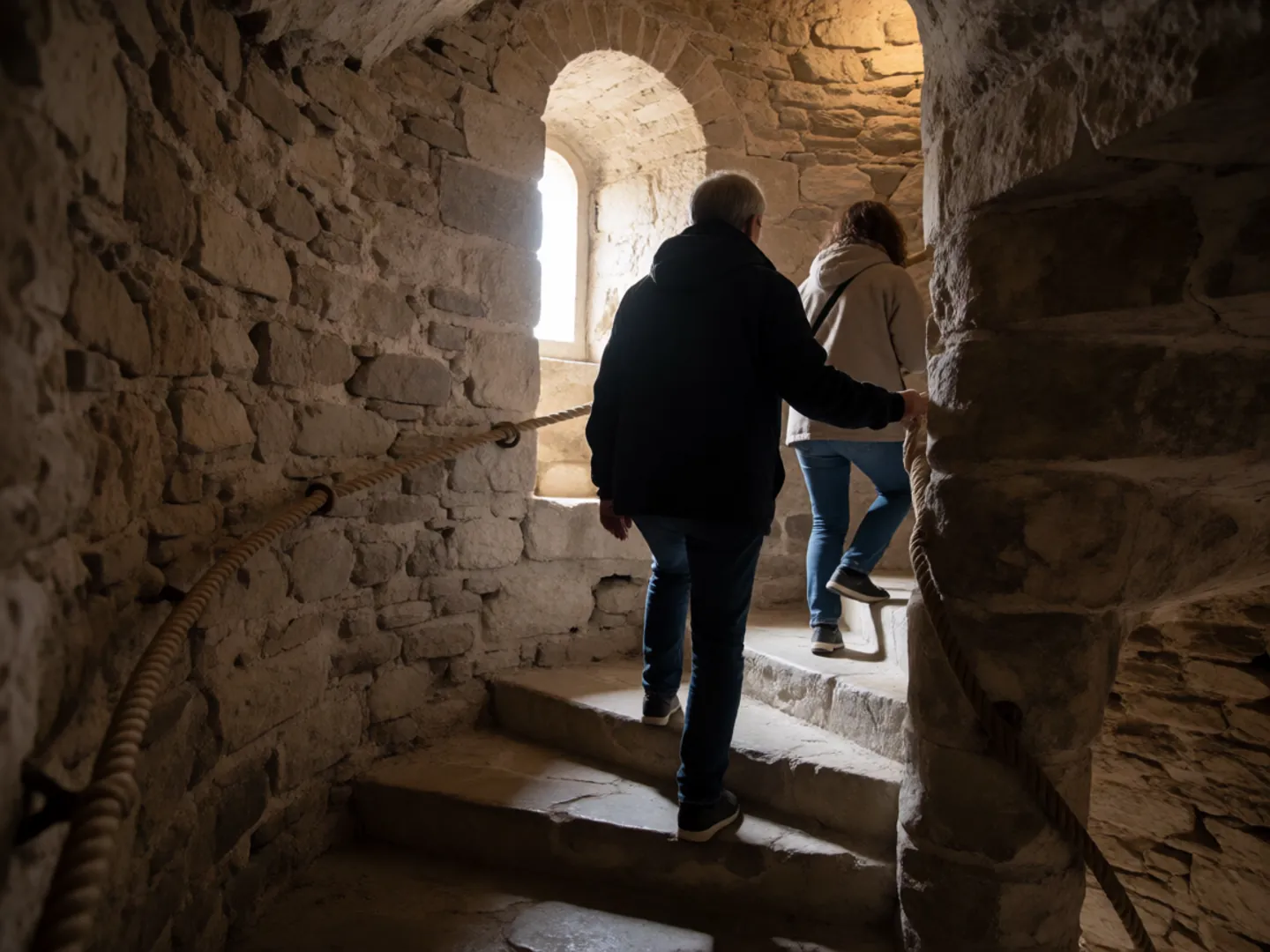
Questions
The festivals in England, Scotland and Wales take place in September. Exact dates and programmes change each year, so check the official listings.
Yes. Heritage Open Days is based on the principle of free access, Doors Open Days is a free public event, and Cadw's Open Doors offers free entry, events or tours.
It depends on the event. Heritage Open Days listings say whether booking is not required, on the day, preferred or required.
Heritage Open Days in England is a partnership across the public, private and voluntary sectors; Doors Open Days is coordinated by the Scottish Civic Trust; Open Doors in Wales is funded and organised by Cadw.
The Council of Europe set up European Heritage Days in 1985. England's Heritage Open Days, founded in 1994, and Scotland's Doors Open Days, begun in 1990, are part of it.
Updated
ABOUT THIS NAME
dreamersopen.org is part of the DoodleSale portfolio. It isn't in an auction right now, but you can ask about leasing it.